June 4, 2026
Upgrading your home's exterior often begins with the largest moving part on your property: the garage entry system. Investing in a new garage door not only enhances your property's curb appeal but also significantly improves daily security and energy efficiency. Before making this substantial investment, homeowners must evaluate several critical factors to ensure they choose the perfect model for their long-term needs.
1. Evaluating Material Durability
The longevity and maintenance requirements of your property depend heavily on the material you select. Steel remains the most popular choice among modern buyers due to its exceptional strength, low maintenance, and relatively affordable price point. High-quality steel options feature double-layer construction with integrated insulation, protecting the panels against accidental dents from daily use. However, if you live in a coastal area with high salt exposure, steel can be prone to rust if the protective coating gets scratched.
For a more classic aesthetic, natural wood offers unmatched beauty and architectural character that synthetic materials struggle to replicate perfectly. Wood allows for custom carving, unique staining patterns, and a high-end luxury appearance that instantly elevates historical or craftsman-style homes. The significant drawback to genuine wood is its demanding maintenance schedule, requiring regular painting, staining, and sealing every few years to prevent warping or rotting.
2. Assessing Insulation Needs
An uninsulated garage can act as a massive energy drain, actively pulling conditioned air out of your living spaces if the garage shares common walls or ceilings with your home. When shopping for a new garage door, paying close attention to the R-value is essential for long-term climate control and utility savings. The R-value measures the thermal resistance of the material; a higher number indicates superior insulating properties and better resistance to heat flow. For attached garages or those with living spaces directly above them, we generally recommend an R-value of 12 or higher to keep heating and cooling costs manageable.
There are two primary types of insulation used in modern manufacturing: polystyrene and polyurethane. Polystyrene insulation consists of rigid foam sheets inserted into the door panels, providing a reliable baseline of thermal protection and noise dampening. Polyurethane insulation, on the other hand, is injected as a liquid foam that expands to fill every internal crevice, offering twice the insulating power of polystyrene within the same thickness.
3. Selecting Opening Mechanisms
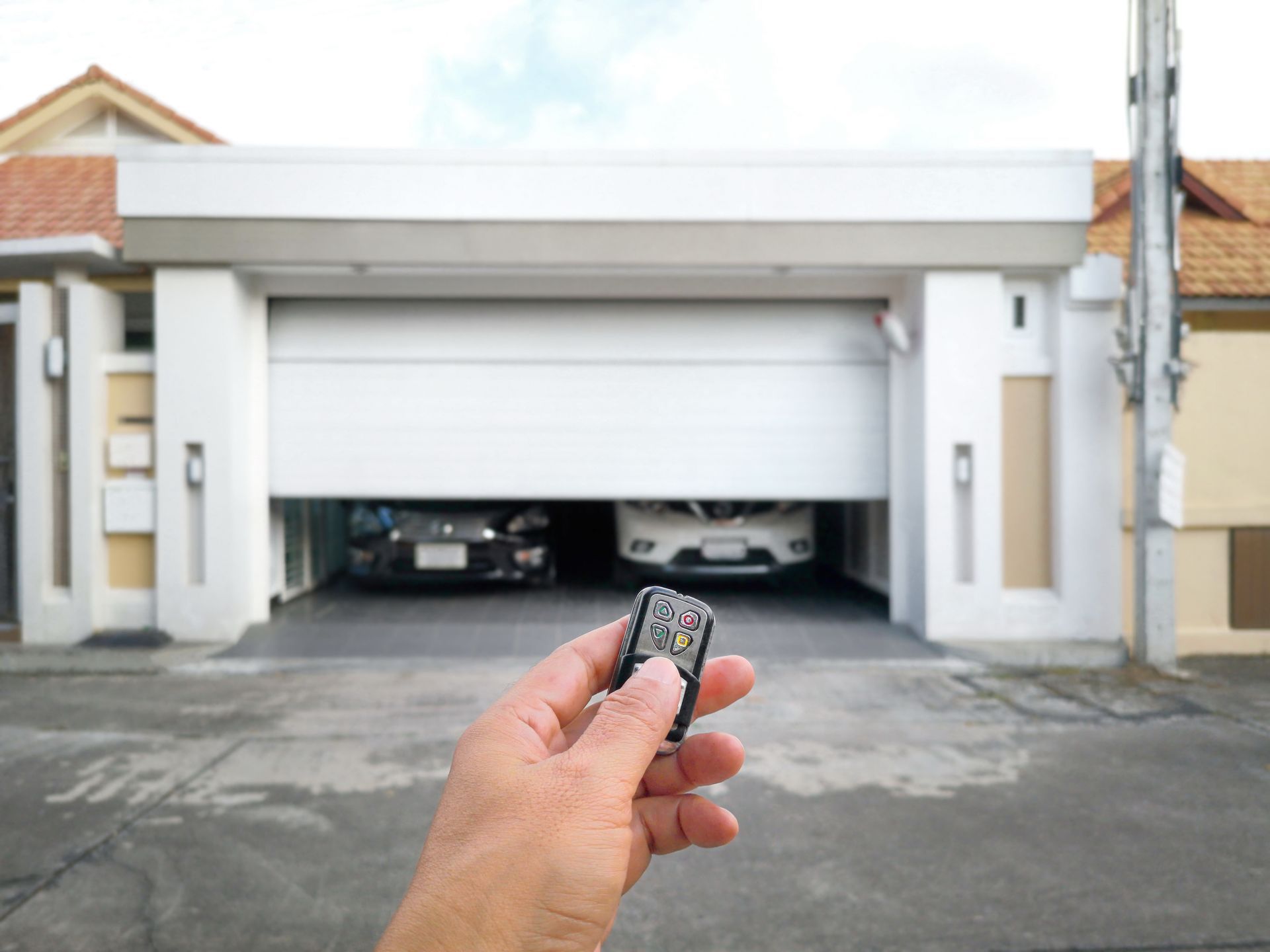
The operational components powering your entry system dictate how smoothly, quietly, and reliably the system will function on a daily basis. According to Market Reports World, approximately 67% of homes in North America use automatic garage doors, highlighting how central motorized convenience has become to modern residential infrastructure. When matching a motorized opener to your architecture, you must choose between chain-driven, belt-driven, or wall-mounted jackshaft configurations.
Chain-driven openers are the traditional industry standard, utilizing a heavy-duty metal chain to pull or push the trolley along a central rail. These systems are incredibly strong, economical, and capable of lifting heavy solid wood or oversized double doors without breaking a sweat. If your garage is positioned near bedrooms, a belt-driven opener is the superior choice for quiet operation because it replaces the steel chain with a reinforced rubber belt, virtually eliminating mechanical friction and operational noise.
4. Determining Safety Features
Because overhead assembly for a new garage door weighs hundreds of pounds and operates under extreme mechanical tension, comprehensive safety features are absolutely non-negotiable. Modern systems rely on photo-eye safety sensors mounted a few inches above the floor on both sides of the opening. These sensors project an invisible infrared beam across the driveway entrance; if any object, pet, or child breaks this beam while the panels are descending, the system instantly halts its downward motion and reverses back to the fully open position.
In addition to optical sensors, mechanical auto-reverse mechanisms provide a vital secondary layer of physical protection. If the bottom edge of the panel strikes a physical obstruction—such as a misplaced bicycle or a trash can—the motor detects the sudden resistance and immediately reverses direction. Finally, you must consider the danger associated with high-tension springs, which counterbalance the massive weight of the door so it can be lifted effortlessly. Additionally, modern openers feature encrypted rolling codes to prevent digital break-ins from tech-savvy intruders.
5. Analyzing Budget Requirements
Establishing a realistic budget for a new garage door involves balancing upfront purchase prices against long-term maintenance costs and energy efficiency savings. Basic single-layer steel options are highly economical but offer minimal thermal protection, making them best suited for detached structures in temperate climates. Mid-range double or triple-layer insulated models represent a larger initial layout but deliver excellent durability, comfort, and immediate utility savings.
When calculating your total project expenses, always factor in the costs of professional labor, track replacement, structural reinforcement, and old equipment disposal fees. Attempting to reuse old tracks or springs to save a few dollars is highly discouraged, as worn-out components can cause your investment to fail prematurely or operate unevenly. Real estate market studies consistently show that replacing an outdated garage facade ranks as one of the top home improvement projects for maximizing resale value, routinely recouping a high percentage of its cost at sale.
6. Reviewing Homeowners Association Rules
If your property resides within a community governed by a homeowners association, failing to check local guidelines before purchasing a new garage door can lead to expensive fines or mandatory removals. Associations maintain strict aesthetic regulations to preserve uniform neighborhood standards, often dictating the exact colors, panel designs, window configurations, and materials allowed on street-facing facades. Submitting an architectural review application well in advance is essential to avoid project delays.
Review your community's official rulebook to identify approved color palettes, as many HOAs prohibit bright accent colors or non-traditional metallic finishes. They may also restrict the installation of all-glass modern designs or specific window patterns that conflict with the neighborhood's established architectural style. Acquiring written approval from the board protects your investment and ensures your installation proceeds smoothly without legal complications.
7. Partnering With Professional Installers
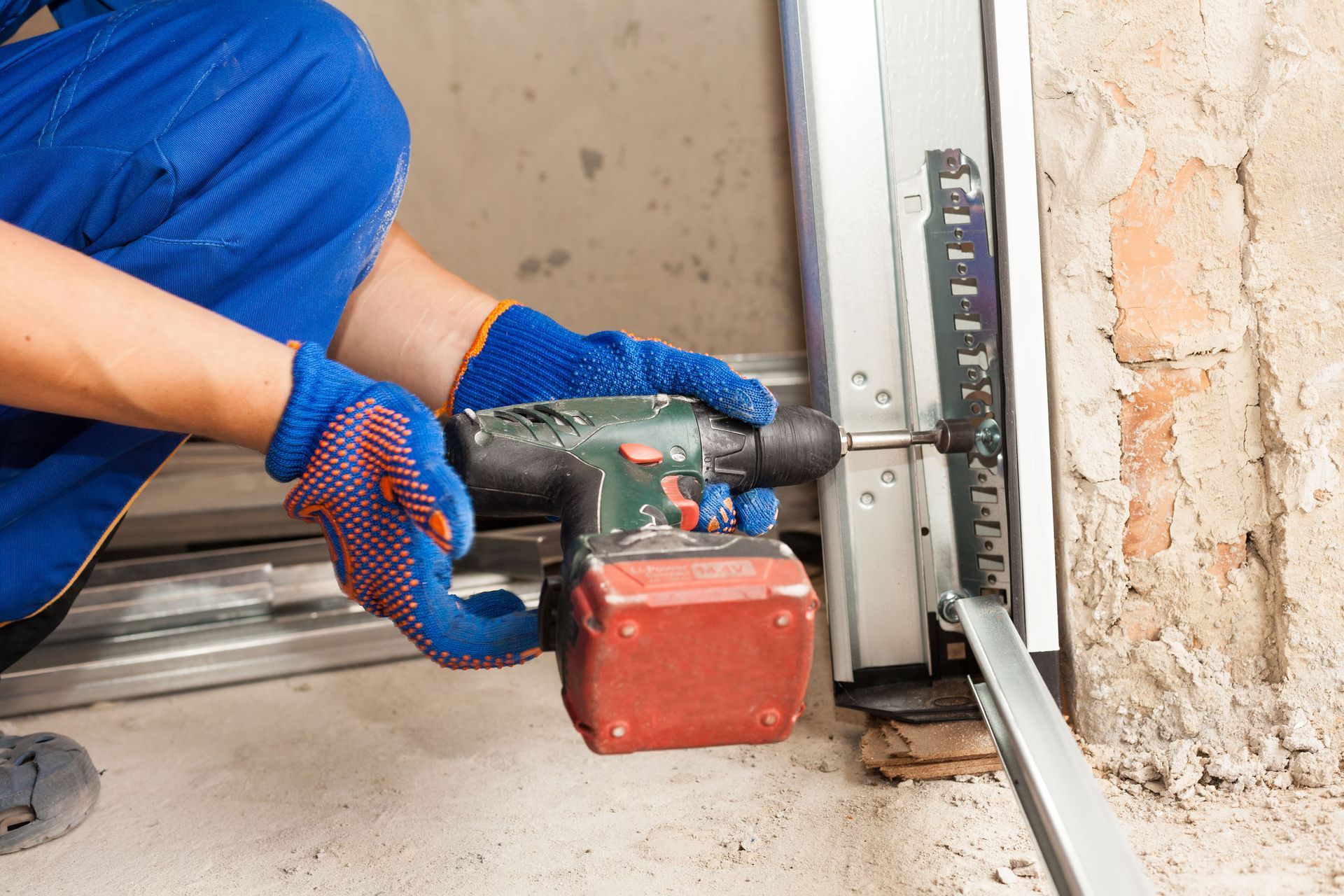
While many home improvement tasks lend themselves well to weekend DIY enthusiasts, installing a new garage door is a complex, high-risk job that demands professional expertise. The extreme tension stored within counterbalancing springs carries enough kinetic force to cause severe personal injury or catastrophic property damage if mishandled. Professional technicians possess specialized tools, heavy lifting equipment, and extensive safety training required to complete the alignment perfectly.
A professional installation guarantees that every component—from the heavy tracks and high-tension springs to the sensitive electronic safety sensors—is perfectly aligned, balanced, and calibrated. An improperly balanced system puts undue stress on the motorized opener, causing the internal gears to wear down rapidly and shortening the lifespan of your equipment. Furthermore, certified professional installation protects your manufacturer's warranty, which often contains clauses that invalidate coverage if the equipment is damaged due to amateur installation errors.
Selecting the perfect residential entry system requires careful analysis of structural materials, energy efficiency metrics, mechanical designs, and community guidelines. By prioritizing safety features and partnering with experienced technicians, you safeguard your household while dramatically upgrading your exterior aesthetics. Taking the time to evaluate these vital factors ensures your investment provides reliable convenience, protection, and value for decades to come. For more information on what to consider when investing in a new garage door, please contact Don's Garage Door Company today.